
Static Load and Strength Management
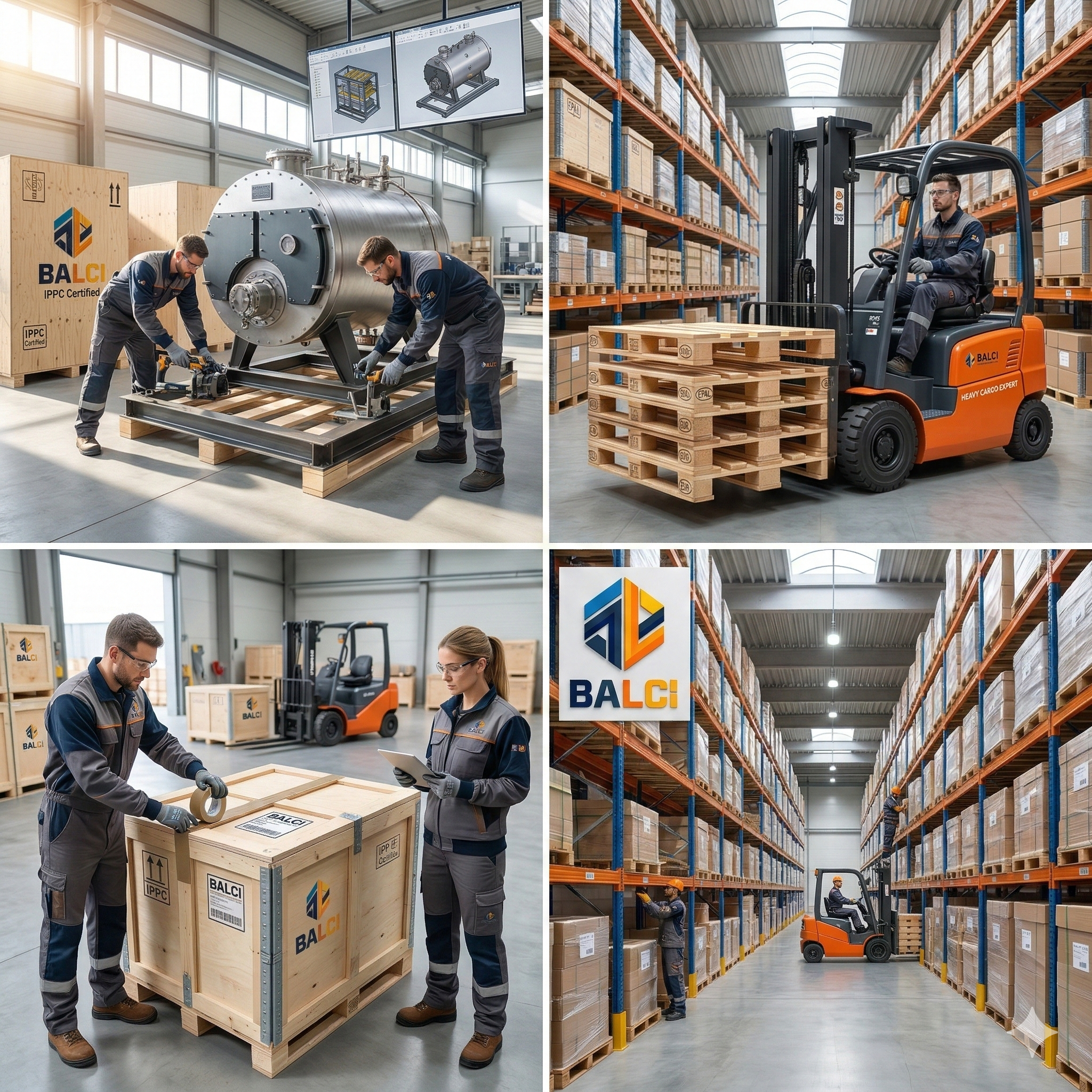
Static Load and Strength Management
Static Load and Strength Management for Maximum Warehouse Efficiency
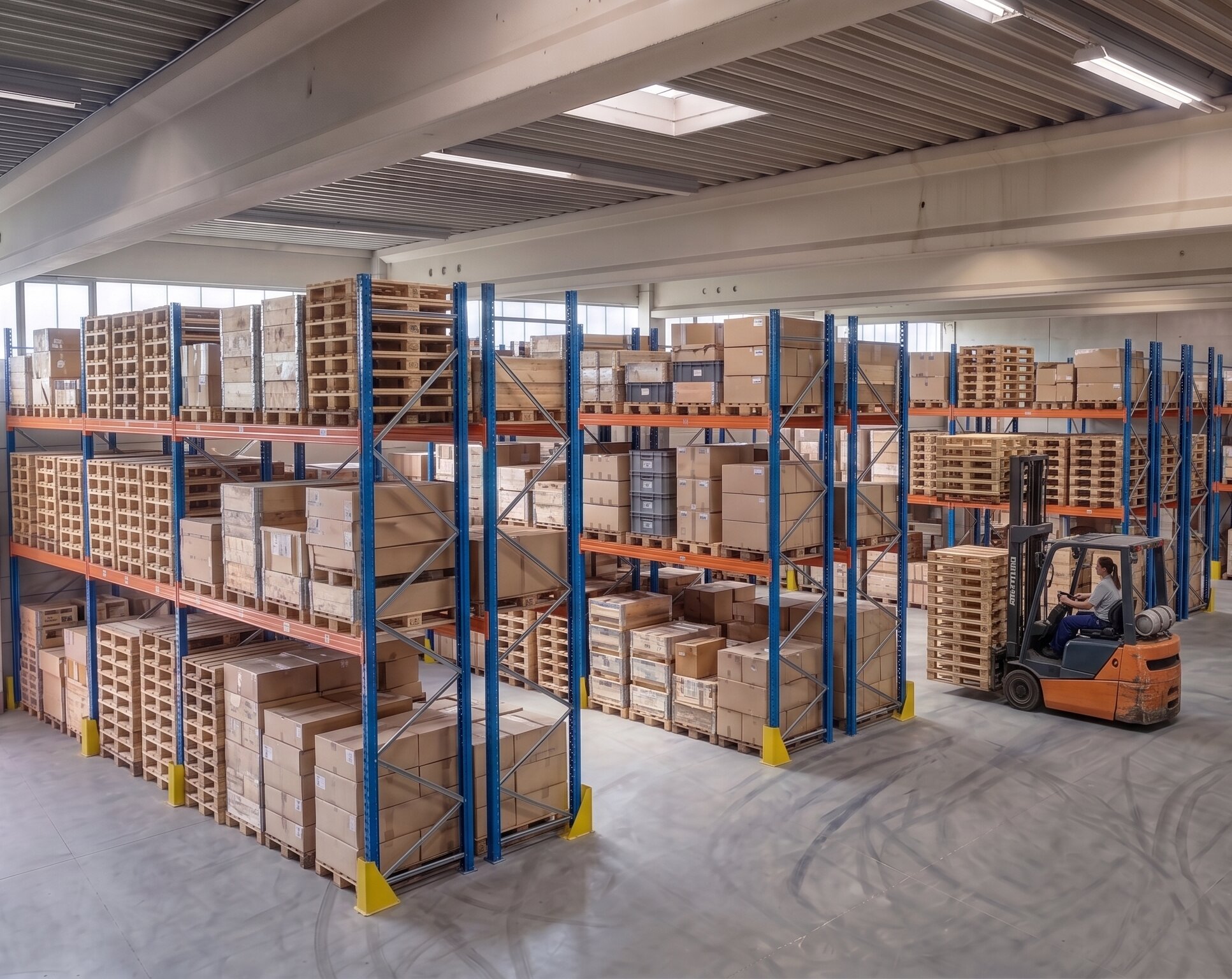
Storage is a critical phase in the supply chain. The structural integrity of load carriers and precise stacking patterns are essential to keep sensitive products intact during long-term storage. Intelligent strength management ensures safe intralogistics, minimizes product damage, and maximizes capacity in block and high-bay warehouses.
- Pallet Strength – Maximum Continuous Static Load: Load carriers must be engineered for the maximum continuous static load they bear over months. Inadequate specifications lead to material fatigue under constant vertical compression. This causes the crushing of packaging on lower tiers, resulting in major economic losses and significant safety risks for personnel.
- Stacking Pattern – Homogeneous Load Distribution and Reinforcement: Safe storage requires a homogeneous weight distribution across the pallet. Overhangs or geometric gaps severely weaken the unit's vertical compression strength. In such cases, structural reinforcement using robust edge protectors is essential. They safely dissipate vertical forces, stabilize against lateral shear forces, and protect cartons from tight strapping bands.
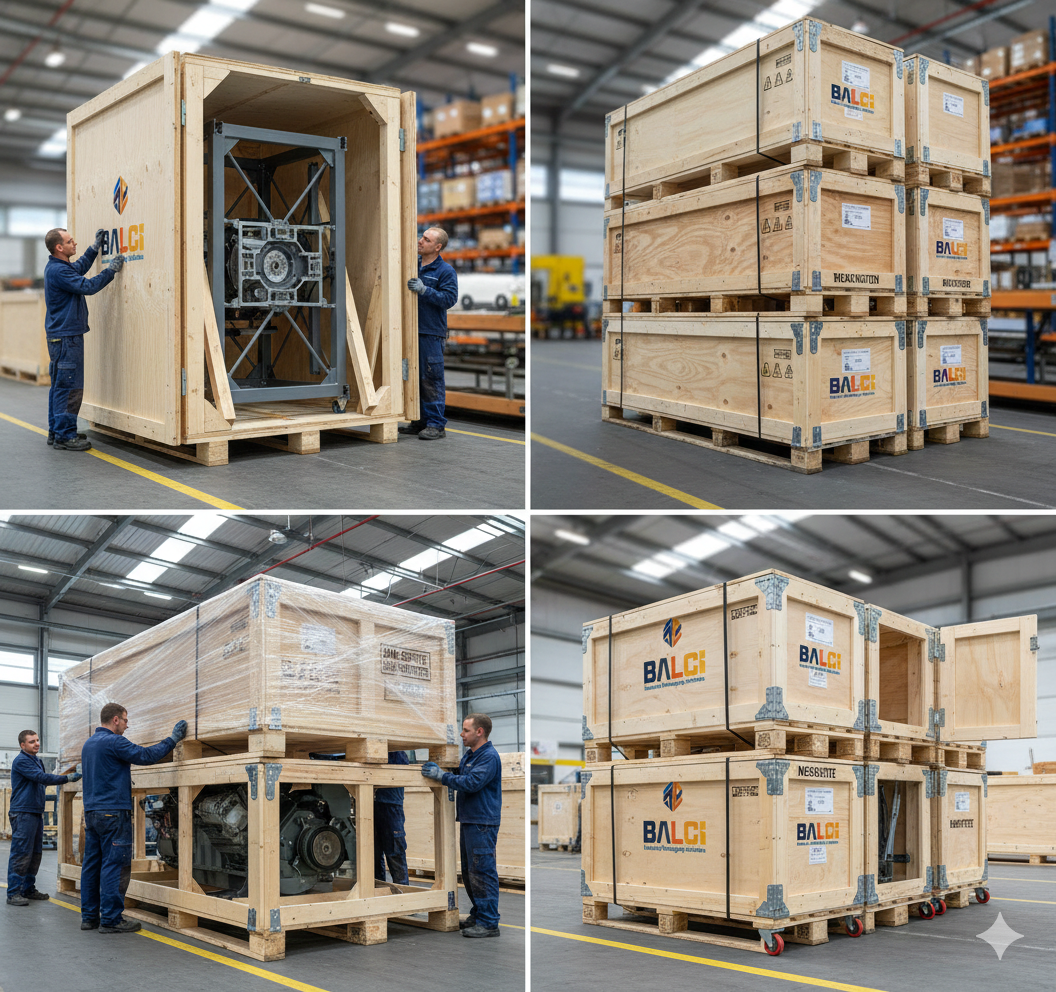
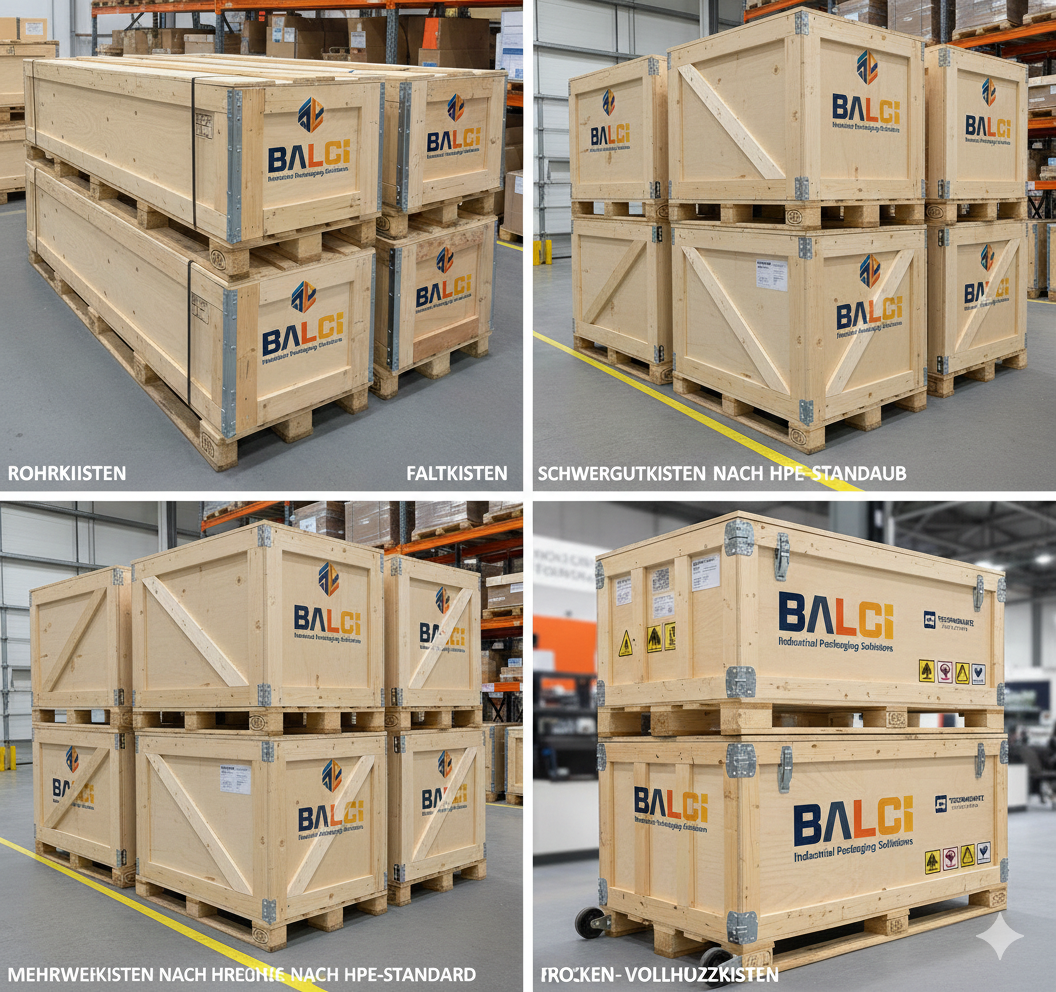
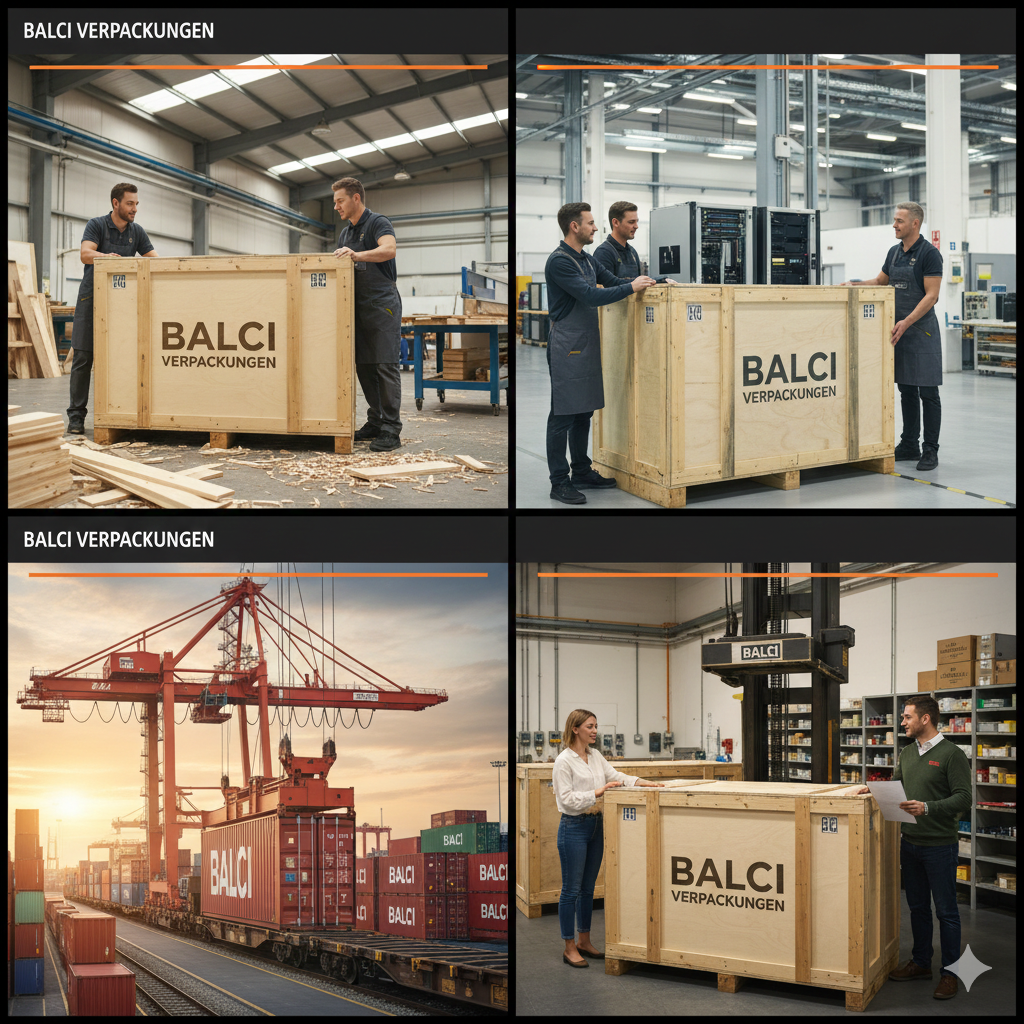
Storage and Intralogistics
Comprehensive Static Load and Strength Management for Maximum Warehouse Efficiency
The storage phase is the backbone of a functioning supply chain. To ensure that sensitive products remain intact even during long-term storage, a precise interaction of load carriers, packaging geometry, and load-securing technology is required. Intelligent strength management minimizes the risk of material fatigue, protects your goods from damage, and enables the optimal utilization of capacities in block and high-bay warehouses.
- 1. Pallet Specification and Continuous Static Load Capacity The foundation of safe storage is accurately matching the pallet to the expected maximum static load. Load carriers must be specifically engineered for the continuous stress they will withstand over months. An incorrect pallet choice or inadequate material quality inevitably leads to deformation under constant vertical compression. This results in the dreaded crushing of primary and secondary packaging on the lower tiers, leading to significant economic losses and safety risks.
- 2. Mathematically Optimized Stacking Patterns and Load Distribution The structural integrity of a load unit depends heavily on a well-designed packaging layout. Loads must be distributed with mathematical precision and homogeneity across the entire surface area of the pallet. Overhangs beyond the pallet edge or geometric gaps within the load assembly severely weaken the vertical compression strength of the entire unit. An optimized interlocking stacking pattern prevents packages from slipping and forms the foundation for subsequent securing.
- 3. Structural Reinforcement via High-Strength Edge Protection Systems Where geometric gaps are unavoidable or maximum stability is required, structural reinforcement of the load unit is essential. The use of robust, shape-retaining edge protectors safely dissipates vertical forces downward within the warehouse, relieving the pressure on cartons. At the same time, they stabilize the unit against lateral shear forces and reliably prevent tight strapping bands from cutting into the edges of the packaging.
Key Achievements
Innovative Design & Engineering
We combine modern engineering with superior functionality, creating intelligent packaging architectures that ensure your cargo is perfectly protected throughout its journey.
On-Time Delivery & Efficiency
Reliability you can count on: Our optimized workflows ensure that your packaging projects are frequently completed and delivered ahead of schedule